
6Day Varanasi Ayodhya and Prayagraj Tour Package ,Imagine embarking on a journey that takes you through three of India’s most spiritually significant cities in just six days. This isn’t just any vacation—it’s a pilgrimage through time, faith, and culture that connects you with millennia of Indian spirituality. The Varanasi-Ayodhya-Prayagraj circuit represents the heart of Hindu pilgrimage, offering experiences that transform casual travelers into devoted seekers.
Why visit just one holy city when you can experience three? Each destination offers something unique: Varanasi gives you the timeless energy of the Ganges and Lord Shiva’s presence, Ayodhya connects you with the epic Ramayana and Lord Rama’s birthplace, and Prayagraj offers the sacred confluence where three holy rivers meet. Together, they create a spiritual journey that’s both comprehensive and deeply moving. Whether you’re a devout pilgrim or a cultural enthusiast, this six-day package delivers an unforgettable experience.

Understanding the Spiritual Significance
Varanasi: The City of Light
Varanasi, also known as Kashi or Banaras, is considered Hinduism’s holiest city. According to tradition, this city is so sacred that dying here grants moksha—liberation from the cycle of rebirth. The city has been continuously inhabited for over 3,000 years, making it one of the world’s oldest living cities.
Walking through Varanasi’s narrow lanes, you feel history breathing around you. The ghats lining the Ganges have witnessed countless souls seeking purification, enlightenment, and peace. The presiding deity, Lord Shiva as Vishwanath, makes this city his earthly abode. Every stone, every temple, every ritual performed here carries weight accumulated over millennia.
Ayodhya: The Birthplace of Lord Rama
Ayodhya holds immense significance as the birthplace of Lord Rama, the seventh avatar of Vishnu and the hero of the epic Ramayana. For millions of Hindus, visiting Ayodhya means connecting with the divine king whose life exemplifies dharma—righteous living.
The city has recently undergone massive transformation with the construction of the magnificent Ram Janmabhoomi Temple. This development has made Ayodhya more accessible and visitor-friendly than ever before. Beyond its religious significance, Ayodhya offers glimpses into ancient Indian urban planning, architecture, and the enduring power of epic narratives in shaping cultural identity.
Prayagraj: The Confluence of Sacred Rivers
Prayagraj, formerly known as Allahabad, is famous for the Triveni Sangam—the confluence of three rivers: the Ganges, Yamuna, and the mythical Saraswati. Bathing at this confluence is considered especially purifying, washing away sins and bestowing spiritual merit.
This city hosts the Kumbh Mela, the world’s largest religious gathering, attracting millions of pilgrims. Even outside festival times, Prayagraj maintains its spiritual magnetism. The city also played a crucial role in India’s independence movement, adding layers of historical significance to its religious importance.
Best Time to Visit These Sacred Destinations
Seasonal Considerations
The ideal time to undertake this spiritual circuit is October through March when the weather is pleasant. Winter months (November to February) offer comfortable temperatures ranging from 10°C to 25°C, perfect for temple visits and outdoor activities. Early mornings can be chilly, especially during sunrise boat rides, so pack accordingly.
Summer months (April to June) can be brutally hot, with temperatures soaring above 40°C. The monsoon season (July to September) brings relief from heat but also heavy rains that can disrupt travel plans and make ghat visits challenging. However, monsoon has its own beauty—the Ganges swells, and the landscape turns lush green.
Festival Calendar
Consider timing your visit around major festivals for enhanced spiritual experiences. Dev Deepavali in Varanasi (usually in November) transforms the ghats into rivers of light with millions of oil lamps. Ram Navami in Ayodhya (March or April) celebrates Lord Rama’s birthday with grand processions and celebrations. The Magh Mela in Prayagraj (January-February) offers a taste of the Kumbh Mela atmosphere on a smaller scale.
However, festival times also mean crowds and higher prices. If you prefer a more peaceful, contemplative experience, visiting just before or after major festivals strikes a good balance.
Day 1: Arrival in Varanasi – The Spiritual Awakening
Morning Arrival and Hotel Check-in
Your spiritual journey begins as you arrive in Varanasi, whether by flight at Lal Bahadur Shastri International Airport or by train at Varanasi Junction. The package includes airport or railway station pickup, ensuring a smooth start to your pilgrimage. Your driver will transport you to your pre-booked hotel, typically located near the ghats for easy access to the river.
After checking in and freshening up, take time to rest from your journey. The afternoon is intentionally kept light on the first day, allowing you to acclimate to Varanasi’s unique rhythm. You might explore the immediate neighborhood around your hotel, getting your first taste of the city’s character—narrow lanes filled with shops selling silk, religious items, and street food.
Evening Ganga Aarti at Dashashwamedh Ghat
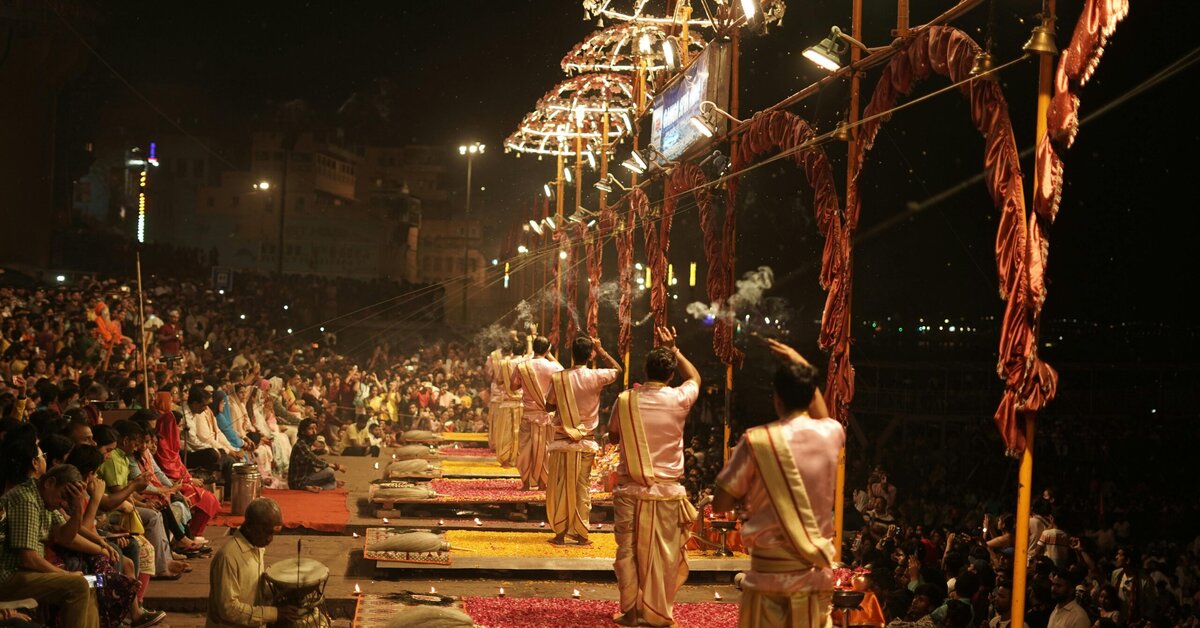
The highlight of your first day is the evening Ganga Aarti at Dashashwamedh Ghat, usually starting around 6:45 PM. Arrive early (by 6:00 PM) to secure a good viewing spot, as this ceremony attracts hundreds of spectators daily. You can watch from the ghat steps, from a boat on the river (which offers an excellent perspective), or from rooftop cafes with ghat views.
The aarti is a spectacular synchronized ritual where seven priests perform elaborate fire offerings to the Ganges. The sound of bells, chanting, and devotional songs creates an atmosphere that’s simultaneously celebratory and deeply reverent. As darkness falls and oil lamps flicker across the river, you’ll understand why people call this the most mesmerizing ritual in India.
First Night in the Holy City
After the aarti, enjoy dinner at a rooftop restaurant overlooking the ghats. Many establishments offer traditional vegetarian thalis—complete meals with multiple dishes showcasing North Indian cuisine. As you eat, the sounds of temple bells and distant chanting remind you that you’re in a city where the spiritual never sleeps.
Return to your hotel early, as the next morning starts before dawn. Varanasi rewards early risers—the city’s most magical moments happen as the sun rises over the Ganges.
Day 2: Exploring Ancient Varanasi
Sunrise Boat Ride on the Ganges
Wake up before dawn for the experience that defines Varanasi—a sunrise boat ride on the Ganges. Your boatman will be waiting at your designated ghat around 5:30 AM. As you glide along the river, the eastern sky gradually lightens, revealing the ghats in soft morning light.
This boat ride isn’t just sightseeing—it’s witnessing Varanasi’s soul. You’ll see devout Hindus performing their morning ablutions, priests conducting private pujas, sadhus meditating, and at certain ghats, cremation ceremonies proceeding as they have for thousands of years. The boat passes various ghats, each with its own history and significance—Assi Ghat, Harishchandra Ghat, Manikarnika Ghat (the main cremation ghat), and many others.
The experience typically lasts 90 minutes to two hours. Your boatman can explain the significance of different ghats and rituals you observe. Remember to bring a camera—the photo opportunities are extraordinary, though always be respectful when photographing people, especially during cremations.
Kashi Vishwanath Temple Visit
After breakfast at your hotel, visit the Kashi Vishwanath Temple, one of the twelve Jyotirlingas (most sacred Shiva temples). The temple recently underwent extensive renovation, creating a grand corridor approach that has made darshan (viewing the deity) more organized, though still crowded.
Non-Hindus cannot enter the inner sanctum, but the temple complex itself is worth experiencing for everyone. The energy here is palpable—centuries of devotion have charged this space with spiritual intensity. Photography is prohibited inside, so simply be present and absorb the atmosphere. The queue for darshan can take 1-3 hours depending on the day and time, so patience is essential.
Sarnath Buddhist Excursion
In the afternoon, take an excursion to Sarnath, located about 10 kilometers from Varanasi. This is where Buddha delivered his first sermon after attaining enlightenment, making it one of Buddhism’s four holiest sites. The contrast with Hindu Varanasi is striking—Sarnath exudes tranquility and contemplative peace.
Key sites include the Dhamek Stupa, marking the spot where Buddha taught, the Sarnath Museum housing the famous Ashoka Lion Capital (India’s national emblem), ancient monasteries ruins showing the architectural splendor of Buddhist establishments, and the modern temples built by various Buddhist countries, each reflecting different architectural traditions.
Allocate three to four hours for Sarnath, including travel time. Return to Varanasi in the evening, perhaps attending another ghat aarti or simply strolling through the market areas, shopping for silk sarees, Banarasi paan, or religious souvenirs.
Day 3: Journey to Ayodhya – Ram Janmabhoomi
Morning Departure from Varanasi
After breakfast, check out from your Varanasi hotel and begin the journey to Ayodhya, approximately 200 kilometers away. The drive takes about 4-5 hours via well-maintained highways. This inter-city travel is included in your package, with a comfortable air-conditioned vehicle and experienced driver.
Use the travel time to rest, read about Ayodhya’s significance, or simply watch rural Uttar Pradesh pass by your window—fields, villages, and small towns that represent everyday India beyond the tourist circuits. The package includes a comfort stop midway for refreshments and restroom breaks.
Ram Janmabhoomi Temple Complex
Arrive in Ayodhya by early afternoon, check into your hotel, and after lunch, visit the Ram Janmabhoomi Temple complex. The newly constructed temple is an architectural marvel—built in traditional Nagara style using pink sandstone from Rajasthan. The sheer scale and craftsmanship are breathtaking.
The temple sits at the site believed to be Lord Rama’s birthplace. The sanctum houses an idol of Ram Lalla (infant Rama). Security is tight, with mandatory bag checks and restrictions on electronic devices (most packages include secure storage facilities). The darshan process is well-organized, though expect queues during peak times.
The temple complex is expansive, with beautifully landscaped gardens, smaller shrines, and informational displays about the Ramayana and Ayodhya’s history. Allow at least 2-3 hours to fully experience the complex without rushing.
Hanuman Garhi and Other Sacred Sites
If time permits on day three, visit Hanuman Garhi, a fortress-temple dedicated to Lord Hanuman. Perched on a hill, it requires climbing 76 steps, but the effort is rewarded with temple views and the powerful energy devotees attribute to this ancient shrine. Legend says Hanuman lived here in a cave, guarding the Ram Janmabhoomi.
Other nearby sites you might visit include Kanak Bhawan temple, gifted to Sita and Rama by Rama’s stepmother Kaikeyi, and various ghats along the Saryu River, each associated with Ramayana events. Your guide can customize the itinerary based on your interests and energy levels.
Day 4: Complete Ayodhya Darshan
Saryu River Aarti Experience
Begin your day early with the Saryu River aarti, typically conducted around sunrise at Ram Ki Paidi ghat. While less elaborate than Varanasi’s Ganga Aarti, it holds its own beauty and spiritual significance. The Saryu River flows through Ramayana history—Rama performed rituals here, and devotees believe bathing in its waters purifies the soul.
The morning aarti is intimate and deeply devotional, primarily attended by local residents and pilgrims rather than tourists. This authenticity makes it special. After the aarti, consider taking a boat ride on the Saryu, similar to the Ganges experience but more peaceful and less crowded.
Temple Trail and Historical Monuments
Day four is dedicated to comprehensive Ayodhya exploration. The city contains numerous temples and historical sites, and a well-planned route ensures you experience the most significant ones. Key sites include Nageshwarnath Temple, believed to be established by Rama’s son Kush, Treta Ke Thakur temple, marking the spot where Rama performed the Ashwamedha Yajna, and Ramkot, the main fortress area with several ancient temples.
Your guide will share Ramayana stories associated with each location, bringing the epic to life. These aren’t just buildings—they’re settings for events that billions of people have read about, imagined, and believed in for millennia. This narrative dimension transforms sightseeing into pilgrimage.
The package typically includes a visit to local museums or cultural centers that display artifacts, paintings, and exhibitions about Ayodhya’s history and the Ramayana. These educational components enrich your understanding of what you’re experiencing.
Day 5: Prayagraj – The Triveni Sangam
Travel to Prayagraj
After breakfast, depart Ayodhya for Prayagraj, approximately 165 kilometers away—about a 3.5 to 4-hour journey. The route follows highways connecting these historically and religiously interconnected cities. Your package includes this transportation, with the same comfort and safety standards as previous transfers.
Arrive in Prayagraj by early afternoon, check into your hotel (typically located near Civil Lines or the Sangam area), and enjoy lunch before beginning your exploration. Prayagraj has a different character from Varanasi and Ayodhya—it’s larger, more spread out, and blends spiritual significance with colonial-era architecture and modern urban development.
Sangam Boat Ride Experience
The centerpiece of Prayagraj’s spiritual offerings is the Triveni Sangam—the confluence where the Ganges (representing knowledge), Yamuna (representing devotion), and the mythical Saraswati (representing hidden wisdom) meet. Taking a boat to the actual confluence point is essential.
Boats depart from various ghats, with the package typically arranging pickup from a convenient point. The boatman rows you to where the waters visibly merge—the Ganges’ muddy brown meeting the Yamuna’s greenish-blue creates a clear demarcation line. At the exact confluence, boats pause, allowing pilgrims to perform rituals, offer prayers, and take a holy dip if they wish.
Priests on boats offer to perform abbreviated pujas for visitors. While optional, participating in these rituals connects you more deeply with the experience. The boat ride usually lasts 1-2 hours, depending on how much time you spend at the confluence.
Allahabad Fort and Anand Bhawan
After the Sangam experience, visit Allahabad Fort, built by Emperor Akbar in 1583. While much of the fort remains under military control and isn’t accessible to tourists, certain sections are open, including the Akshaya Vat (immortal banyan tree) and Patalpuri Temple inside the fort premises. The fort’s massive walls and strategic location highlight its historical importance.
Next, visit Anand Bhawan, the ancestral home of the Nehru family and a museum dedicated to India’s independence movement. This elegant mansion-turned-museum displays personal belongings of Jawaharlal Nehru (India’s first Prime Minister), his father Motilal Nehru, and other family members involved in the freedom struggle. The contrast between spiritual pilgrimage sites and this bastion of political history shows Prayagraj’s multifaceted significance.
Day 6: Final Day and Departure
Morning Temple Visits
Your final morning offers opportunities for any missed sites or places you’d like to revisit. Options include visiting Hanuman Mandir, famous for its reclining Hanuman statue, exploring additional ghats along the Ganges in Prayagraj, or revisiting the Sangam for a sunrise experience if you missed it earlier.
Alternatively, use this morning for personal reflection and prayer. After five days of intensive spiritual experiences, you might want quieter time to process and internalize what you’ve witnessed and felt. Many packages allow flexibility in the final morning’s schedule based on guest preferences.
Shopping and Departure Preparations
Allocate time for souvenir shopping before departure. Prayagraj offers various items: rudraksha beads and religious jewelry, holy Gangajal (Ganges water) in sealed containers, local handicrafts and textiles, and books on Hindu philosophy and pilgrimage.
After lunch and hotel checkout, your driver transports you to Prayagraj Airport or Railway Station for your onward journey. If your departure is from Varanasi, the package can arrange return transportation (approximately 3 hours), coordinating timing with your flight or train schedule.
The six-day journey concludes, but the experiences and spiritual insights you’ve gained continue to resonate. Many travelers report that this circuit becomes a transformative experience, not just a vacation—something that changes how they see spirituality, culture, and themselves.
Accommodation Options
Budget-Friendly Hotels
For cost-conscious travelers, budget accommodations in all three cities offer clean, basic rooms with essential amenities. Expect simple but comfortable rooms with attached bathrooms, fans or basic air conditioning, and proximity to major sites. Budget hotels in Varanasi often cluster in areas like Godowlia and Assi, in Ayodhya near the main temple area, and in Prayagraj near Civil Lines.
Budget packages typically range from ₹8,000-₹12,000 per person for the six-day tour, including accommodation, transportation, and breakfast. While basic, these hotels provide perfectly adequate rest between your spiritual explorations.
Mid-Range Comfort
Mid-range hotels offer significantly enhanced comfort and amenities—spacious rooms with modern bathrooms, reliable air conditioning and Wi-Fi, on-site restaurants serving quality meals, and often rooftop terraces with views. Service standards are higher, with attentive staff and better maintenance.
In this category, expect to pay ₹15,000-₹25,000 per person for the complete package. Hotels like Suryauday Haveli in Varanasi, quality properties near Ram Janmabhoomi in Ayodhya, and riverside hotels in Prayagraj fall into this range. This represents excellent value—comfortable enough for relaxation while remaining authentically Indian rather than generic international style.
Luxury Heritage Properties
For those seeking premium experiences, luxury options exist, particularly in Varanasi. Heritage hotels converted from old havelis and palaces offer opulent rooms with period furnishings, exceptional dining experiences, spa and wellness facilities, and personalized service including private guides and customized itineraries.
Luxury packages can range from ₹35,000-₹60,000+ per person, but deliver extraordinary experiences—imagine staying in a restored 200-year-old mansion overlooking the Ganges, with personalized spiritual consultations, private boat rides, and gourmet meals featuring royal recipes. For special occasions or once-in-a-lifetime pilgrimages, this level can be worthwhile.
Transportation and Connectivity
How to Reach Varanasi
Varanasi, as the circuit’s starting point, is well-connected nationally. Lal Bahadur Shastri International Airport has direct flights from major Indian cities including Delhi, Mumbai, Bangalore, and Kolkata. Flight duration from Delhi is approximately 1.5 hours, making it easily accessible even for short trips.
By train, Varanasi Junction is a major railway hub with connections throughout India. Several prestigious trains like the Shiv Ganga Express connect Delhi to Varanasi overnight, allowing you to travel comfortably in AC coaches and arrive fresh for your first day. Booking trains can be challenging during peak seasons, so plan well in advance.
Road connectivity is also good, though the distance from major cities makes flying or train travel more practical. From nearby cities, taxi services and state buses provide options.
Inter-City Travel Options
The package includes inter-city transportation between Varanasi, Ayodhya, and Prayagraj. This typically involves comfortable air-conditioned vehicles—SUVs or sedans for small groups, tempo travelers for larger groups. Professional drivers familiar with the routes ensure safe, efficient travel.
Alternatively, some packages offer train travel between cities. The train network connects these cities, though scheduling requires careful coordination. Train travel adds its own charm—watching the landscape change, interacting with fellow passengers, experiencing India’s famous railway culture. However, road travel offers more flexibility for stops and timing.
For the return journey, flexibility exists. You can return to Varanasi (if departing from there), continue to other destinations like Lucknow or Chitrakoot, or arrange departure from Prayagraj itself, which has both airport and major railway connections.
What’s Included in the Package
Standard Inclusions
Most six-day packages include these core elements: accommodation for five nights (two in Varanasi, two in Ayodhya, one in Prayagraj), daily breakfast at hotels, all inter-city transportation in air-conditioned vehicles, pickup and drop from Varanasi airport/railway station, sunrise boat ride in Varanasi, Sangam boat ride in Prayagraj, and services of an experienced guide for major sites.
Additionally, packages often cover monument entry fees where applicable, toll taxes and parking charges, and driver allowances and fuel. This comprehensive inclusion means you know your total cost upfront, with minimal unexpected expenses.
Optional Add-ons
Packages can be customized with various add-ons: lunch and dinner (beyond breakfast), upgrade to premium accommodation categories, private guided tours instead of group tours, cultural performances (classical music, dance), special puja arrangements at temples, photography sessions at picturesque locations, and extension days for deeper exploration.
Some travelers add wellness components—Ayurvedic massages, yoga sessions, or meditation guidance. Others include academic components like Sanskrit classes or philosophy discussions with learned scholars. The flexibility to customize ensures your pilgrimage aligns with your specific interests and needs.
Culinary Journey Through the Circuit
Must-Try Foods in Each City
Each city offers culinary specialties that enhance your experience. In Varanasi, don’t miss the famous Banarasi paan (betel leaf preparation), kachori-sabzi breakfast combinations, lassi (yogurt drink) from traditional shops, malaiyo (winter specialty dessert), and street food like chaat and tamatar chaat.
Ayodhya’s cuisine reflects its spiritual character with predominantly vegetarian offerings: puri-sabzi, the local breakfast staple, pedas and other milk-based sweets, seasonal fruits from Saryu riverside orchards, and traditional thali meals in local restaurants. The food is simple but flavorful, emphasizing purity and sattvic (spiritually uplifting) qualities.
Prayagraj combines influences from across Uttar Pradesh: Allahabadi amrood (guava), famous for flavor and quality, samosas and kachoris from old city vendors, biryani and kebabs (for non-vegetarians), and traditional sweets like balushahi and imarti. The city’s cosmopolitan history is reflected in its diverse food scene.
Vegetarian Dining Options
All three cities, being religious centers, offer extensive vegetarian dining options. Many restaurants near temples serve only vegetarian food, ensuring observant pilgrims can dine according to their practices. Even non-vegetarian restaurants typically have substantial vegetarian menus.
Most package hotels include breakfast, often buffet-style with both South and North Indian vegetarian options. For other meals, your guide can recommend restaurants matching your preferences—pure vegetarian establishments, Jain-friendly options (avoiding onion and garlic), or places offering vegan alternatives.
The street food in these cities is predominantly vegetarian and absolutely worth trying. The flavors are bold and authentic, offering culinary experiences you won’t find elsewhere. Just choose vendors who appear clean and busy—high turnover means fresh food.
Practical Tips for Pilgrims
Dress Code and Temple Etiquette
When visiting temples and religious sites, dress conservatively. Both men and women should cover shoulders and knees. Women might consider wearing traditional Indian attire like salwar kameez or sarees, which are both respectful and practical. Men should avoid shorts, opting for trousers or traditional kurta-pajama.
Temple etiquette includes removing shoes before entering temple premises (sock feet usually acceptable), avoiding leather items in Jain temples, refraining from photography where prohibited, maintaining silence or speaking softly in sacred areas, and following queue discipline during darshan, even if chaotic.
Women should be aware that some temples have menstruation-related restrictions, typically prohibiting entry during periods. While controversial, these rules remain enforced at traditional temples. Similarly, some inner sanctums restrict non-Hindu entry—respect these policies as matters of religious practice, not discrimination.
Health and Safety Precautions
The intense pace of temple visits and boat rides can be physically demanding. Stay hydrated—carry bottled water constantly, especially in summer. Eat carefully, especially street food—your digestive system may not be accustomed to Indian bacteria levels, so start slowly and observe cleanliness standards.
Protect yourself from the sun with hats, sunglasses, and sunscreen. The reflection off the Ganges during boat rides intensifies sun exposure. Conversely, early mornings can be cold, especially in winter, so layer clothing appropriately.
Keep medications handy, including any prescriptions you require, anti-diarrhea medication (extremely common for travelers), pain relievers for headaches or body aches, and antiseptic cream for minor cuts or scrapes. Most packages include basic first aid, but personal medications are your responsibility.
Be cautious of touts and aggressive vendors, particularly around temples and ghats. Polite but firm refusal is usually sufficient. Don’t feel obligated to donate money to every person who asks—overwhelming demand makes this impractical. If you wish to give, channel donations through reputable temples or charitable organizations.
Photography and Memories
Best Photo Spots
Varanasi offers incredible photography opportunities: sunrise boat ride providing iconic ghat scenes, evening aarti with dramatic light and movement, narrow lanes with architectural details and daily life, and Sarnath’s ancient stupas against clear skies. Early morning and late afternoon provide the best natural light.
Ayodhya’s photography highlights include the magnificent Ram Janmabhoomi Temple architecture, Saryu River banks, especially during aarti, colorful market areas and temple streets, and aerial views from elevated points like Hanuman Garhi. The new temple complex is particularly photogenic, designed with visual impact in mind.
Prayagraj’s photo opportunities focus on the Sangam confluence showing two river colors meeting, boat scenes with pilgrims and priests, Allahabad Fort’s massive architecture, and colonial-era buildings in Civil Lines area. The contrast between spiritual and historical elements creates diverse visual stories.
Capturing Spiritual Moments
While photography helps preserve memories, be sensitive about when and what you photograph. Never photograph cremations at Varanasi’s ghats without explicit permission—these are intensely private family moments despite being publicly visible. Similarly, be respectful when photographing people engaged in prayer or ritual bathing.
Many pilgrims find that sometimes the camera interferes with experiencing the moment. Consider designating certain times as photo-free, simply being present and observing. You’ll remember these moments through felt experience rather than images—often more powerfully.
If you want professional photos of your pilgrimage, some packages can arrange photographers familiar with these locations and sensitive to religious contexts. They know the best spots and times while respecting appropriate boundaries.
Shopping Guides
Souvenirs from Each City
Varanasi is famous for silk sarees—Banarasi brocades are world-renowned, and purchasing one directly from the city of origin ensures authenticity and reasonable prices. Other popular items include brass religious items and lamps, miniature paintings depicting gods and religious scenes, musical instruments like tablas and sitars, and packaged foods like Banarasi paan masala or sweets.
Ayodhya’s shopping revolves around religious items: Ram-Sita idols and pictures in various materials, religious books and texts, rudraksha beads and prayer malas, and traditional clothing for deity worship. The markets near Ram Janmabhoomi Temple offer these items, though quality and prices vary significantly—bargaining is expected.
Prayagraj’s specialties include Ganga jal (holy water) in sealed containers for taking home, local handicrafts and textiles, religious texts and CDs of devotional music, and practical items like traditional copper vessels. The Katra and Chowk areas are good for shopping, offering both spiritual items and general goods.
Silk, Handicrafts, and Religious Items
When buying silk in Varanasi, visit reputable government-approved stores or those recommended by your hotel or guide. Pure silk Banarasi sarees can be expensive (₹5,000-₹50,000+), but the quality and craftsmanship justify the cost. Beware of synthetic imitations passed off as pure silk—ask for burn tests or certifications.
For religious items, temple shops typically offer fair prices for small items, though selection may be limited. Larger shops have extensive inventories but may charge more. Items like brass deities, prayer thalis (plates), and religious accessories make meaningful souvenirs that continue your spiritual connection after returning home.
Remember that bargaining is standard practice in markets, though not in fixed-price stores. Start negotiations at roughly 40-50% of the asking price and work toward a middle ground. The process shoul be friendly, even playful—aggressive bargaining is considered rude.
Budget Planning and Cost Breakdown
Estimated Per-Person Costs
For a comprehensive six-day package, budget travelers should expect costs of ₹10,000-₹15,000 per person (shared occupancy), covering basic accommodation, transportation, key experiences, and breakfast. This assumes you’ll eat modestly and limit shopping to small souvenirs.
Mid-range travelers will find comfort at ₹18,000-₹28,000 per person, including better hotels, all meals, more comprehensive guide services, and some additional experiences. This range offers the best value—significantly more comfortable than budget options without luxury pricing.
Luxury pilgrims might spend ₹40,000-₹70,000+ per person for heritage properties, private guides, gourmet meals, and premium experiences. Add to these package costs your airfare or train tickets to/from Varanasi, shopping and souvenirs, optional temple donations, tips for guides and drivers, and personal expenses.
Money-Saving Tips
Several strategies can reduce costs without compromising experience quality. Travel during off-peak seasons (excluding major festivals) when hotel rates drop significantly. Book well in advance—early bird discounts can save 15-20%. Consider slightly larger groups—per-person costs decrease when vehicle and guide costs are shared among more people.
Eat like locals rather than in tourist restaurants—not only cheaper but often more authentic and delicious. Limit shopping to truly meaningful items rather than impulse purchases. Pack essentials like medications and toiletries rather than buying at tourist rates. Use filtered water refills rather than constantly buying bottles.
Many temples offer free food (prasad) to visitors—accepting these offerings is both culturally appropriate and economical. Similarly, free guided tours or audio guides at some sites like Sarnath museum provide information without hiring private guides.
Customization Options
Extended Itineraries
Six days covers the essentials well, but extending allows deeper exploration. A seven or eight-day package might include additional time in Varanasi to visit all the ghats thoroughly, explore Banaras Hindu University’s museums, and take a day trip to Chunar Fort. Extra days in Ayodhya allow visiting sites beyond the main circuit, like nearby Naimisharanya, another important pilgrimage spot.
Some travelers extend to include Chitrakoot, about 130 km from Prayagraj, where Rama, Sita, and Lakshmana spent time during exile. Others add Gaya (for ancestral rituals) or Bodhgaya (for Buddhist pilgrimage), creating comprehensive spiritual circuits across eastern Uttar Pradesh and Bihar.
Extended packages might include rest days—after intense temple visits and travel, a day without scheduled activities for personal reflection, relaxation, or spontaneous exploration can be valuable. This prevents spiritual overwhelm and allows experiences to deepen rather than blur together.
Special Interest Tours
Customization can focus on specific interests. Photography-focused tours allocate optimal times at locations with best light, include access to special vantage points, and might feature workshops with local photographers. Spiritual depth packages include meetings with learned priests or scholars, participation in advanced rituals, and meditation or yoga sessions.
Cultural tours emphasize music and arts—attending classical music performances, visiting artist workshops, or even taking short classes in tabla, sitar, or vocal music. Historical tours focus on architecture and archaeology, with expert guides explaining building techniques, historical contexts, and preservation efforts.
Family packages adapt for children with age-appropriate activities, reasonable pacing, and accommodations with family-friendly amenities. Similarly, senior citizen packages offer slower pacing, enhanced comfort considerations, and special assistance where needed.
Conclusion
The six-day Varanasi-Ayodhya-Prayagraj tour package offers an extraordinary journey through India’s spiritual heartland. It’s comprehensive yet manageable, intensive yet not overwhelming, profound yet accessible to travelers of all backgrounds. Whether you’re a devout pilgrim seeking spiritual merit or a curious traveler wanting to understand Hindu culture deeply, this circuit delivers transformative experiences.
These three cities complement each other perfectly. Varanasi shows you the cosmic dance of death and renewal on the Ganges ghats, Ayodhya connects you with epic narratives that shaped civilization, and Prayagraj demonstrates the power of sacred geography where rivers meet. Together, they create understanding of why pilgrimage remains central to millions of lives—it’s not just about visiting places, but about connecting with something timeless and transcendent.
The practical aspects—accommodation, transportation, guides—remove obstacles that might otherwise make such a journey daunting. You’re free to focus on experiences rather than logistics. Yet within this structure, there’s freedom for personal exploration, spontaneous moments, and individual spiritual practice. It’s organized enough to be efficient, flexible enough to feel authentic.
Return home from this journey, and you’ll find that parts of these cities return with you—the sound of temple bells, the sight of lamps floating on the Ganges, the smell of incense and flowers, the feeling of ancient stone under your feet. These aren’t just memories; they’re spiritual experiences that continue resonating long after your physical journey ends.
FAQs
1. Is this tour suitable for non-Hindus or international travelers?
Absolutely! While the tour visits Hindu religious sites, it’s designed to be educational and culturally enriching for everyone, regardless of faith background. International travelers and people of other religions regularly undertake this circuit, finding it fascinating from historical, architectural, and cultural perspectives. Most temples welcome respectful visitors of all faiths (with some inner sanctum restrictions). Your guide will explain significance and context, making the experience accessible and meaningful even without prior knowledge of Hindu traditions. Many non-Hindu travelers report this as one of their most memorable Indian experiences.
2. What is the physical difficulty level of this tour?
The tour involves moderate physical activity. You’ll do considerable walking on uneven surfaces, climb temple stairs (Hanuman Garhi has 76 steps), and navigate crowded areas. The boat rides require getting in and out of small boats, sometimes from slippery ghats. Most people with average fitness manage comfortably, but it may be challenging for those with significant mobility limitations. However, packages can be adapted—arranging wheelchairs where possible, using sedan chairs at certain locations, or modifying itineraries to reduce walking. Inform your tour operator about any physical limitations when booking so they can make appropriate arrangements.
3. Are meals included in the package, and what about dietary restrictions?
Standard packages typically include breakfast at hotels. Some packages include all meals, while others offer meal add-ons. The dietary situation is favorable for vegetarians—all three cities offer extensive vegetarian options, and most package meals cater to this. Vegan travelers should specify requirements when booking; accommodations can usually be made. For those with allergies or specific dietary restrictions, communicate clearly with your tour operator and hotels. Jain food (avoiding onion, garlic, root vegetables) is readily available in all three cities. Non-vegetarian food is available in Varanasi and Prayagraj but very limited in Ayodhya, which is predominantly vegetarian due to its religious character.
4. What happens if I miss my train or flight at the end of the tour?
Reputable tour operators build buffer time into departure day schedules to prevent this issue. If you miss transportation due to operator delays, they should arrange alternatives at their expense. If you miss due to personal reasons, you’re responsible for rebooking. Travel insurance (highly recommended for any tour) typically covers certain types of travel disruptions. To minimize risk, book departure transportation with at least 3-4 hours buffer after the scheduled tour end time, especially if taking flights. If you must have tight connections, inform your operator so they can prioritize punctual completion of the itinerary.
5. Can I book this tour during the Kumbh Mela in Prayagraj?
Yes, but it requires special planning and significantly higher costs. The Kumbh Mela (held every 12 years, with smaller versions every 6 years) attracts tens of millions of pilgrims, creating unprecedented crowds and demand. During Kumbh, accommodation prices in Prayagraj increase 5-10 times normal rates, and even basic lodging becomes expensive. Transportation becomes challenging as roads congest massively. However, experiencing the Kumbh Mela is a once-in-a-lifetime opportunity for those willing to handle the intensity. Tour operators offer special Kumbh packages, typically requiring 1-2 additional days in Prayagraj and costing substantially more. Book these packages 6-12 months in advance as availability becomes extremely limited closer to the event.




Comments are closed.